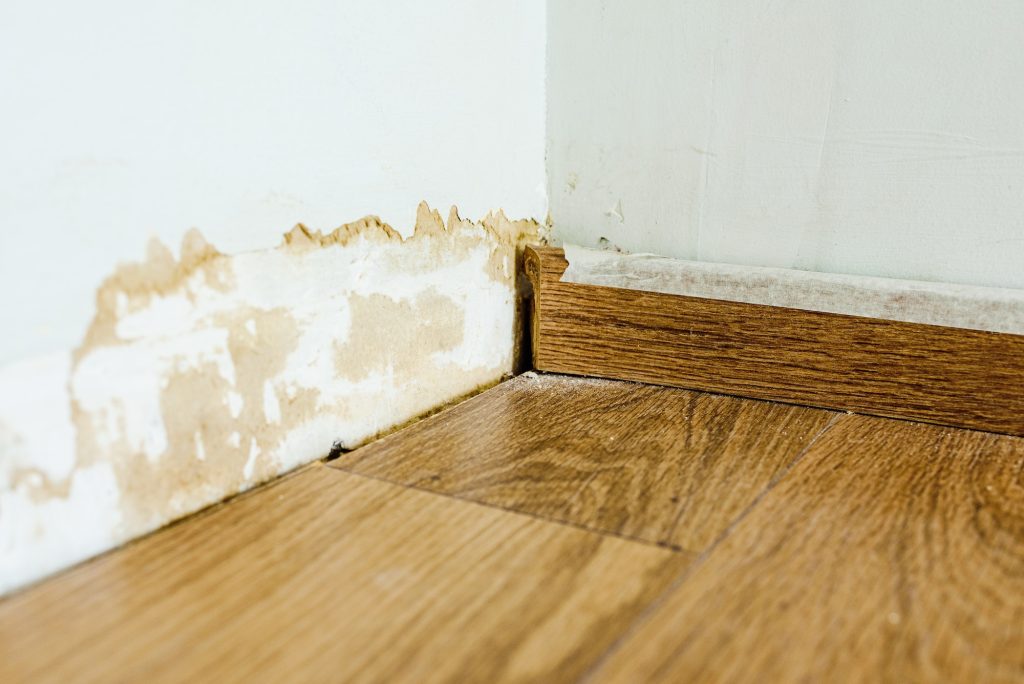
What Is Water Damage?
Water damage is the direct, physical harm caused by water coming into contact with materials inside your property. It happens immediately when water intrudes, whether from a sudden event or a slow, ongoing leak.
Common Causes of Water Damage in Melbourne
- Burst or leaking pipes
- Storm flooding and heavy rainfall
- Roof leaks or blocked gutters
- Overflowing appliances (washing machines, dishwashers, hot water systems)
- Sewage backflow
- Rising groundwater or stormwater intrusion
The moment water enters an area of your property that it should not be in, damage begins. Flooring warps, drywall softens, timber swells, and electrical systems become hazardous. The longer water sits, the worse the structural consequences become. If you have just experienced a flooding event, read our guide on what to do in the first 24 hours after water damage to understand the steps that matter most in the immediate aftermath.
Signs of Water Damage
- Watermarks, stains, or discolouration on walls or ceilings
- Soft, spongy, or bubbling flooring
- Warped timber, skirting boards, or door frames
- Wet or soggy carpets and underlay
- Peeling paint or wallpaper
- Musty odour (which can indicate trapped moisture)
- Visible pooling or active dripping
Water damage is primarily a structural and material issue. Without prompt professional intervention, the moisture trapped inside walls, subfloors, and cavities creates the exact conditions that allow the second problem, mould, to take hold.
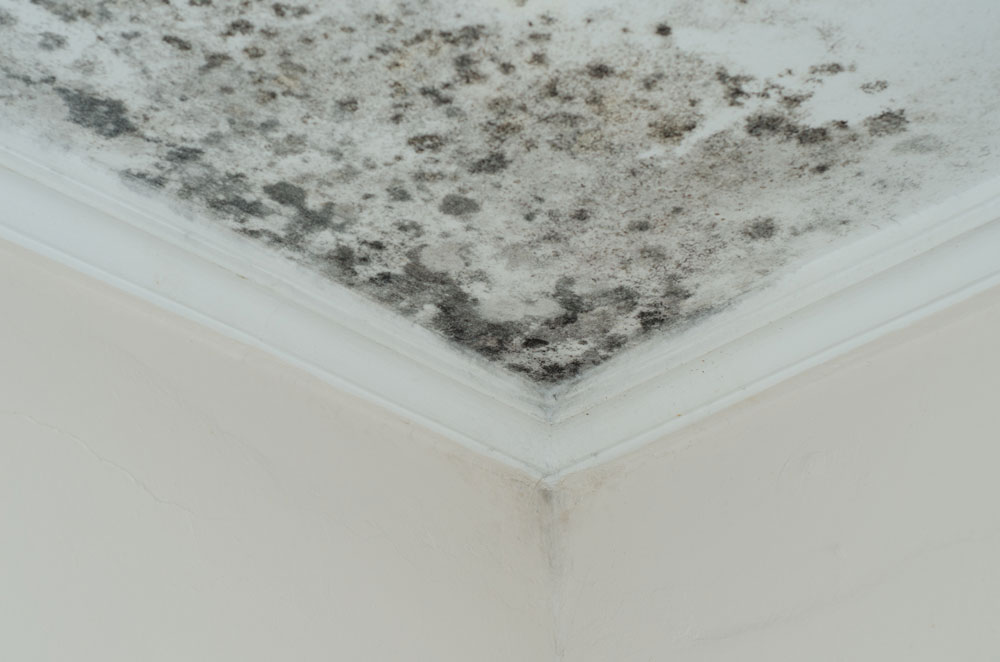
What Is Mould?
Mould is a living organism, specifically a type of fungus, that grows in environments where moisture and organic material are present. While mould exists naturally in the outdoor environment, it becomes a serious problem when it colonises the interior of a building. Mould does not appear instantly. It needs time and the right conditions: moisture, warmth, and a surface to feed on (timber, drywall, carpet, fabric, ceiling plaster). Under ideal conditions, mould spores can begin to colonise a damp surface within 24 to 48 hours of water exposure. By 72 hours, a mould colony can be well established and spreading.
Types of Mould Commonly Found in Melbourne Properties
- Black mould (Stachybotrys chartarum): the most dangerous variety, associated with serious respiratory illness
- Green mould (Penicillium/Aspergillus): highly common in water-damaged buildings, can cause allergic reactions
- White mould: often overlooked because it is less visible; thrives on timber and drywall
- Yellow mould: typically found on wood and organic material in wet areas
Signs of Mould in Your Property
- Dark spots, fuzzy patches, or streaks on walls, ceilings, or floors
- Persistent musty or earthy smell even after drying
- Visible growth on grout, sealant, or behind furniture
- Condensation repeatedly forming on windows or cold surfaces
- Family members experiencing unexplained respiratory symptoms, itchy eyes, or skin irritation
Mould is not merely an aesthetic problem. Left untreated, it is a genuine health hazard. For more on how moisture creates the conditions that trigger mould colonies, read our post on how rising damp can trigger mould growth.
The Key Differences Between Water Damage and Mould
| Water Damage |
Mould |
| What it is |
Physical harm from water contact |
Fungal growth fed by moisture |
| When it occurs |
Immediately upon water intrusion |
24-72 hours after water exposure |
| What it affects |
Structures, flooring, walls, contents |
Surfaces, air quality, health |
| Primary risk |
Structural integrity, electrical hazards |
Health: respiratory, allergic, toxic |
| Visible signs |
Staining, warping, sogginess |
Spots, fuzzy growth, discolouration |
| Who is at risk |
The building itself |
Occupants, especially children and elderly |
| Treatment |
Water extraction, structural drying |
Mould remediation and containment |
How Water Damage Leads to Mould
This is the most important relationship to understand. Water damage and mould are not separate, unrelated events. In most cases, mould is the direct consequence of water damage that was either not treated promptly or not treated thoroughly enough.
The Typical Progression
- Water intrudes into the property (pipe burst, flood, roof leak).
- Water saturates materials: carpet, subfloor, walls, insulation, ceiling plaster.
- Moisture becomes trapped inside cavities and behind surfaces that appear dry to the touch.
- Mould spores that are already present in the environment land on the moist surfaces and begin to germinate.
- Within 24-72 hours, active mould colonies begin forming in concealed areas.
- By one to two weeks, mould can spread significantly through wall cavities, subfloors, and HVAC systems.
This is why professional moisture testing before repairs is critical. Surfaces that look and feel dry can still hold dangerous levels of moisture within structural cavities. Building in completed repairs over hidden moisture is one of the most common mistakes made in DIY water damage recovery, and it leads directly to extensive mould growth inside walls that may not be visible for months.
Can You Have One Without the Other?
Yes, in some cases.
- You can have water damage without mould if the water is extracted and the property dried completely and professionally within the critical 24-48 hour window. Speed is everything.
- You can have mould without recent water damage if the source of moisture is chronic and low-level: condensation from poor ventilation, a slow hidden pipe leak, or rising damp from the ground. In these cases, there may be no obvious flood event, but moisture has been accumulating over a long period.
However, in the majority of real-world cases, significant untreated water damage eventually leads to mould growth. The two problems are deeply connected.
The Health Risks: Mould Is the Greater Immediate Danger
While water damage threatens the structural integrity of your property, mould is what threatens the health of the people living or working inside it.
Health Effects of Mould Exposure
Exposure to airborne mould spores can cause:
- Chronic coughing and sneezing
- Asthma attacks and breathing difficulties
- Skin rashes and irritation
- Watery or itchy eyes
- Fatigue and persistent headaches
- Serious respiratory illness with prolonged exposure, particularly black mould
Children, the elderly, and anyone with a pre-existing respiratory condition are most vulnerable. Mould-related health problems are also frequently misdiagnosed as seasonal allergies or colds because the symptoms overlap significantly. If you suspect mould is affecting your household’s health, do not delay. Professional mould remediation in Melbourne is the safest and most effective path to removing the problem completely.
How Each Problem Is Treated
Treating Water Damage
Water damage restoration involves a multi-stage process:
- Emergency water extraction using industrial-grade pumps and wet vacuums
- Moisture mapping using thermal imaging and moisture meters to locate all affected areas, including hidden cavities
- Structural drying using commercial dehumidifiers, air movers, and heating systems applied to walls, floors, and subfloors
- Carpet drying and assessment for restoration or replacement
- Sanitisation to remove bacteria and contaminants, particularly important after sewage-related flooding
- Ongoing moisture monitoring to confirm complete drying before any repairs commence
For a detailed look at drying after a water event, read our post on how to dry wet carpet after a flood or leak.
Treating Mould
Mould remediation is a separate, specialised process that must be carried out after the moisture source has been resolved:
- Containment of the affected area using plastic sheeting and negative air pressure to prevent spore spread
- HEPA vacuuming of all mould-affected surfaces
- Physical removal of heavily affected materials (drywall, carpet, insulation) that cannot be cleaned
- Anti-fungal treatment applied to all affected surfaces
- Air purification using HEPA air scrubbers to capture airborne spores
- Post-remediation testing to confirm clearance before the area is reopened
It is worth noting that painting over mould, wiping it down with household bleach, or sealing it behind new plasterboard is not remediation. These approaches suppress visible signs temporarily but do not eliminate the colony. Professional remediation removes the problem at its source. For information on clearing the air quality after a mould event, see our air purification service.
Does Insurance Cover Water Damage and Mould?
In Australia, home and building insurance policies typically cover sudden and accidental water damage events such as burst pipes and storm flooding. However, mould resulting from a pre-existing unaddressed leak, or from gradual deterioration, is often excluded. The distinction insurers draw is between sudden damage (usually covered) and gradual damage (usually not). This is another reason why acting fast after any water event matters so much. If you can demonstrate that damage was addressed promptly and professionally, your claim position is far stronger. Read our guide on does insurance cover water damage restoration for a detailed breakdown of what Melbourne homeowners and landlords need to know, and see our water damage insurance claim tips to give yourself the best chance of a successful claim. Flood Services Melbourne works directly with all major Australian insurers and can assist with documentation, moisture reports, and claim communication. Learn more about our insurance assistance service.
When to Call a Professional
Do not attempt to manage significant water damage or mould on your own. The situations below all require immediate professional intervention:
- Any flooding that covers more than a couple of square metres of floor space
- Water that has been sitting for more than a few hours
- Mould growth larger than 30cm in diameter
- Mould in wall cavities, subfloors, or ceiling spaces
- Any flooding involving sewage or contaminated water
- Any flooding near electrical systems or appliances
- Tenants, children, or elderly people in the affected property
Our team is available 24 hours a day, 7 days a week, and aims to be on-site within one hour across greater Melbourne. The faster you call, the better the outcome and the lower the overall cost of recovery.
Summary: Know the Difference, Act Faster
Water damage and mould are two distinct but connected problems. Water damage is the immediate physical consequence of water intrusion. Mould is the biological consequence that follows if that water damage is not dealt with swiftly and completely. The window between the two is narrow: as little as 24-48 hours. Professional extraction, drying, and moisture verification within that window is what separates a contained, insurable restoration job from a prolonged mould remediation project with significant health implications. If you are dealing with water damage or mould anywhere in Melbourne, call Flood Services Melbourne on 1800 958 138 now. We are on-site within one hour, 24/7. Book your free assessment or contact us online today.
Frequently Asked Questions
How quickly does mould grow after water damage?
Mould can begin forming within 24 to 48 hours of water exposure in warm, humid conditions. In Melbourne’s climate, active colonies can establish within 48-72 hours on damp organic surfaces such as carpet, drywall, and timber.
Can I treat mould myself?
Small surface mould on non-porous materials (tiles, glass) can sometimes be treated with appropriate antifungal products. However, any mould in wall cavities, subfloors, ceilings, or covering an area larger than 30cm requires professional remediation. DIY treatment of large or concealed mould colonies typically makes the problem worse by disturbing spores.
Is water damage always visible?
No. Moisture trapped inside walls, under flooring, and in ceiling cavities may not produce visible signs for days or weeks. Professional moisture mapping with thermal imaging is the only reliable way to confirm complete drying.
What does water damage smell like?
Fresh water damage typically has a wet, earthy smell. As moisture becomes trapped and stagnant, the odour intensifies. A persistent musty smell even after apparent drying is a strong indicator of hidden moisture or early mould growth.
How much does water damage restoration cost in Melbourne?
The cost depends on the size of the affected area, the extent of structural involvement, and the materials affected. Read our detailed breakdown in how much does water damage repair cost.
Does my home insurance cover mould?
This depends on your policy and the cause of the mould. Mould resulting from a covered sudden event (like a burst pipe) is often claimable. Mould from gradual leaks or poor maintenance is typically excluded. See our guide on water damage insurance claims for more detail.
Flood Services Melbourne is Melbourne’s emergency flood damage restoration and water cleanup specialist. Available 24/7, on-site within one hour, with full insurance support.