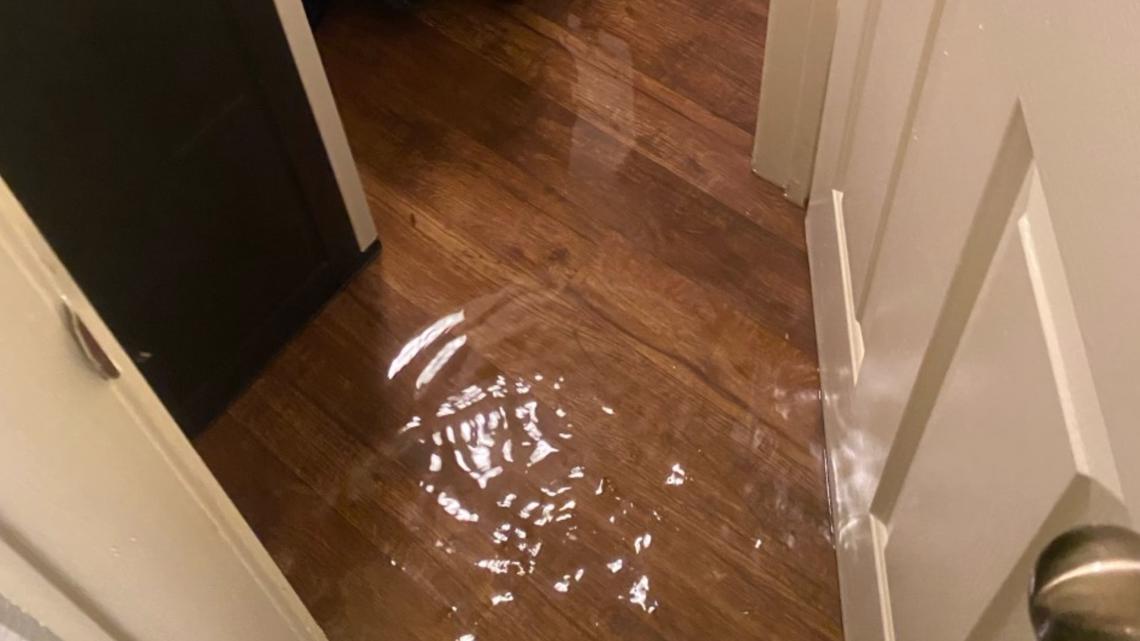
A burst pipe is one of the most common and most destructive water emergencies a Melbourne homeowner or business owner can face. Unlike a slow leak that builds gradually, a burst pipe can release hundreds of litres of water in minutes, saturating floors, walls, and ceilings before you even realise what has happened.
The good news is that knowing what causes pipes to burst, how to spot the warning signs early, and what to do in the immediate aftermath can make the difference between a manageable restoration job and a costly, long-term structural repair. The team at Flood Services Melbourne has put together this complete guide to help you act fast and protect your property.
What Causes a Burst Pipe?
Pipes do not usually burst without warning. In most cases, there is an underlying condition that has been building over time. Understanding the causes helps you identify risk areas before they become emergencies.
Old or Corroded Pipes
Melbourne has a large stock of older housing with galvanised steel, cast iron, or early copper plumbing. These materials corrode over time, thinning the pipe walls until the pressure of normal water flow becomes enough to cause a rupture. If your property is more than 30 years old and has never had its plumbing assessed, corrosion is a genuine risk.
High Water Pressure
Residential water pressure in Melbourne is typically set between 200 and 500 kPa. When pressure exceeds safe levels, it puts constant stress on pipe joints, bends, and fittings. Over time, this weakens connection points and can cause a sudden failure. A pressure-reducing valve (PRV) that is faulty or missing is a common contributor to burst pipes in both residential and commercial properties.
Tree Root Intrusion
Tree roots naturally seek moisture and will grow into underground pipes through even the smallest existing crack. Once inside, the roots expand, cracking the pipe further and eventually causing a full rupture. This is particularly common in older Melbourne suburbs with established trees and clay or earthenware sewer pipes.
Temperature Changes
While Melbourne does not experience the extreme freeze-thaw cycles that burst pipes in colder climates, cold snaps can affect exposed pipes in uninsulated roof spaces, under-house cavities, and external walls. Water expands when it cools, and pipes that are already weakened can fail during a cold overnight period.
Physical Damage During Renovations
Drilling into walls, driving screws into floors, or excavating without knowing exactly where pipes run is a frequent cause of burst pipes in Melbourne homes undergoing renovation. Even a small nick in a pipe can weaken it enough to fail under normal water pressure weeks or months later.
Blockages and Clogs
A significant blockage in a pipe creates a pressure buildup upstream. When the pressure has nowhere to go, it finds the weakest point in the pipe network and breaks through. Grease buildup, foreign objects, and tree root intrusion are the most common culprits.
Poor Installation or Substandard Materials
Pipes that were installed incorrectly, joined with poor fittings, or built from below-standard materials are significantly more likely to fail prematurely. This is especially common in properties that have had unlicensed plumbing work carried out.
Warning Signs of a Burst or Failing Pipe
Catching a pipe problem before it becomes a full burst can save you thousands of dollars. Here are the warning signs that your plumbing may be under stress or already failing.
Unexplained Increase in Your Water Bill
If your water usage has not changed but your bill has jumped significantly, water is escaping somewhere in your system. A hidden leak behind a wall or under a floor can go unnoticed for months while steadily saturating the surrounding structure and driving up your bill.
Low Water Pressure
A sudden or gradual drop in water pressure at taps or showerheads can indicate that water is escaping from the pipe before it reaches the fixture. If only one area of your home is affected, the issue is likely localised. If pressure is low throughout, the problem may be with the main supply line.
Water Stains on Walls or Ceilings
Yellow or brown staining on plaster, drywall, or ceiling panels is a strong sign of moisture behind the surface. By the time staining is visible, water has typically been present for some time and may have already begun causing structural damage or early mould growth.
Damp or Soft Flooring
Flooring that feels soft, spongy, or slightly raised in a localised area often indicates water underneath it. Timber floorboards that creak more than usual or appear warped or bowed are a key indicator of subfloor moisture from a leaking or burst pipe below.
Sound of Running Water When No Taps Are On
If you can hear water flowing behind walls or under floors when all taps and appliances are turned off, this is a near-certain sign of an active leak. Do not ignore this sound.
Musty or Damp Smell
A persistent musty smell that you cannot trace to an obvious source is often caused by moisture accumulating inside a wall cavity or under a floor. Left untreated, this moisture creates ideal conditions for mould growth that can spread rapidly through your property.
Discoloured or Rusty Water
Water that runs brown, orange, or cloudy from your taps can indicate pipe corrosion. This is a warning that the affected pipe is deteriorating and may be approaching failure. Do not drink this water and have your plumbing inspected immediately.
Visible Dampness Around Pipe Fittings or Joints
If you can access your pipes under the sink, in the roof space, or under the house, look for any signs of moisture, mineral deposits (white or greenish crust), or active dripping around joints and fittings. These are signs of an imminent or active leak.
What to Do Immediately After a Burst Pipe
When a pipe bursts, every minute matters. Water spreads fast, and the longer it sits, the deeper it penetrates into structural materials and the greater the risk of mould growth and lasting damage. Follow these steps in order.
Step 1: Turn Off the Water Supply
Locate your main water shutoff valve and turn it off immediately. In most Melbourne homes, this is at the water meter near the front boundary or at the side of the house. Turning off the supply stops the flow and limits the total volume of water released.
If you do not know where your shutoff valve is, locate it now before an emergency occurs. In a crisis, not knowing costs you minutes you cannot afford.
Step 2: Turn Off the Electricity in Affected Areas
Water and electricity are a life-threatening combination. If the burst has affected areas near power outlets, appliances, or your switchboard, turn off the electricity at the main circuit breaker before entering the flooded area. Do not touch any electrical switches or appliances while standing in water.
Step 3: Move Valuables and Furniture
If it is safe to do so, move electronics, documents, furniture, and other valuables away from the affected area. Place furniture legs on foil or plastic to prevent staining on wet carpet. The less that stays in contact with water, the less you lose.
Step 4: Document the Damage for Your Insurance Claim
Take photographs and video of all affected areas before any cleanup begins. Capture the source of the burst, the extent of water spread, and any damaged contents. This documentation is essential for your insurance claim. Read our guide on water damage insurance claim tips to make sure you are recording the right information from the start.
Step 5: Call a Licensed Plumber
You need a licensed plumber to identify and repair the source of the burst before any restoration work can begin. Do not attempt to repair a burst pipe yourself unless you have the qualifications and tools to do so correctly. An improper repair can fail again, often at the worst possible time.
Step 6: Call a Professional Water Damage Restoration Service
Once the water source is stopped, call Flood Services Melbourne immediately. Our team is on-site within one hour, 24 hours a day, 7 days a week. We begin emergency water extraction, moisture mapping, and structural drying as quickly as possible to prevent secondary damage and mould.
Do not wait to see how things dry on their own. Surfaces that appear dry to the touch can retain dangerous levels of moisture inside wall cavities and subfloors. Professional moisture testing before repairs is the only reliable way to confirm your property is truly dry before restoration work begins.
What Happens If You Do Not Act Fast Enough?
Delaying your response to a burst pipe dramatically increases the scale of damage and the cost of repair. Here is what happens in the hours and days after water is left untreated.
| Time Since Burst |
What Is Happening to Your Property |
| 0 to 1 hour |
Water spreads across floors, soaks into carpet and underlay, begins wicking up walls |
| 1 to 24 hours |
Drywall softens and swells, timber begins to warp, furniture absorbs moisture, odour develops |
| 24 to 48 hours |
Mould spores begin to germinate on damp surfaces, structural materials continue to deteriorate |
| 48 to 72 hours |
Active mould colonies establish, subfloor and wall cavities become heavily saturated |
| 1 week or more |
Structural timber may be permanently warped or rotted, mould remediation required, major restoration needed |
For a full breakdown of the timeline of damage, read our guide on what to do in the first 24 hours after water damage.
How Burst Pipe Water Damage Is Restored
Professional water damage restoration after a burst pipe is a multi-stage process. Here is what to expect when the Flood Services Melbourne team arrives.
Emergency Water Extraction
We use industrial-grade pumps and wet vacuums to remove standing water from all affected surfaces as quickly as possible. The faster water is extracted, the less it penetrates into structural materials.
Moisture Mapping and Assessment
Using thermal imaging cameras and calibrated moisture meters, we map the full extent of water penetration, including areas that appear dry on the surface but are saturated underneath. This prevents the common mistake of beginning repairs before the structure is fully dry.
Structural Drying
Commercial-grade dehumidifiers, air movers, and drying mats are deployed to dry walls, floors, subfloors, and ceiling cavities from the inside out. Drying times vary depending on the extent of saturation and the materials involved, but we monitor moisture levels throughout until readings confirm complete drying. For more on this process, see our structural drying service.
Carpet and Floor Restoration
Wet carpet does not always need to be replaced. Our team assesses whether drying and sanitising can restore the carpet, or whether replacement is the better option. Where carpet can be saved, we lift it, dry the underlay, treat for bacteria, and relay. Read our guide on how to dry wet carpet after a flood or leak for more detail.
Mould Prevention Treatment
Once drying is confirmed, we apply anti-microbial treatments to all affected surfaces to prevent mould from establishing. If mould has already begun to grow, we carry out full mould remediation as a separate process before any structural repairs begin.
Sanitisation and Odour Control
Stagnant water carries bacteria and produces odour as it breaks down organic material. We sanitise all affected surfaces and use air purification equipment to clear the space. If the burst pipe involved contaminated water (such as a connection near your hot water system or grey water), decontamination protocols apply. Learn about our odour control treatment service for more.
Documentation for Insurance
We provide detailed moisture readings, before-and-after documentation, and restoration reports that meet the requirements of all major Australian insurers. We also liaise directly with your insurer on your behalf where required. Find out more about whether insurance covers water damage restoration and what the process involves.
Does Insurance Cover Burst Pipe Water Damage?
In most cases, yes. A burst pipe is classified as a sudden and accidental event, which means it is typically covered under standard home and contents insurance policies in Australia. However, there are important conditions:
- The burst must be sudden, not the result of a slow leak you were aware of and did not repair
- You must be able to demonstrate you acted promptly to limit the damage
- Some policies exclude certain pipe types or ages
- Mould resulting from a burst pipe may be covered if it is a direct consequence of the insured event
Acting quickly and calling a professional restoration service helps demonstrate to your insurer that you took reasonable steps to mitigate the damage. Delaying action can give insurers grounds to reduce or deny your claim.
Read our full guide on whether insurance covers water damage restoration and our practical water damage insurance claim tips to make sure you are covered.
Summary: Speed Is Everything
A burst pipe is a property emergency that demands an immediate, structured response. The faster you shut off the water, document the damage, and call in professional restoration, the less damage your property suffers and the stronger your insurance claim position.
Do not attempt to dry a burst pipe event yourself with household fans or towels. The moisture that causes the most damage is the moisture you cannot see, hidden inside walls, under floors, and within structural cavities. Only professional equipment and moisture mapping can confirm your property is truly dry.
Flood Services Melbourne is available 24/7 and aims to be on-site within one hour anywhere across greater Melbourne.
If you have a burst pipe or any water damage emergency, call us now on 1800 958 138.
Book your free assessment or contact us online.
Frequently Asked Questions
How do I know if a pipe has burst inside my wall?
Key signs include water staining or bubbling on the wall surface, a musty smell, damp or soft flooring near the wall, a sudden drop in water pressure, and the sound of running water when all taps are off. If you suspect a burst inside a wall, do not attempt to open the wall yourself. Call a plumber and a water damage restoration professional.
Can I claim a burst pipe on my home insurance?
In most cases, yes. Burst pipes are typically classified as sudden and accidental events and are covered under standard Australian home insurance policies. Act quickly, document everything, and contact your insurer as soon as possible. See our water damage insurance claim tips for full guidance.
How long does water damage restoration take after a burst pipe?
Minor events affecting a small area can be dried within 3 to 5 days. Larger events involving wall cavities, subfloors, or multiple rooms typically take 5 to 10 days of active drying before the structure is confirmed dry and repairs can begin. The total timeline depends on the extent of penetration and the materials involved.
Will my carpet need to be replaced after a burst pipe?
Not always. Carpet can often be dried, sanitised, and restored if the response is fast enough. If the water was contaminated, if the carpet has been wet for more than 48-72 hours, or if the underlay is beyond recovery, replacement may be necessary. Our team assesses each situation individually. Read more in our guide on how to dry wet carpet after a flood or leak.
What is the difference between water damage from a burst pipe and flood damage?
A burst pipe is an internal plumbing failure, while flood damage typically refers to water entering from outside the property (storm water, overflowing drains, rising groundwater). Insurance policies often treat these differently.
Can mould grow after a burst pipe?
Yes, and it can grow quickly. Mould spores can begin to colonise damp surfaces within 24 to 48 hours of water exposure. If your property is not professionally dried within this window, mould is a significant risk. See our article on how moisture triggers mould growth and our mould remediation service if growth has already started.
Flood Services Melbourne is Melbourne’s emergency flood damage restoration and water cleanup specialist. Available 24/7, onsite within one hour, with full insurance support across greater Melbourne.